Choosing the right coffee grinder
At Ride & Grind, we think the grinder matters as much as the beans. A good grinder can make the difference between a good cup and a great one. Whether you want an electric grinder for home or a hand grinder, this guide will help you choose.
Why your grinder matters
Your cup starts with grinding, and this step shapes the flavour of your brew. Many coffee lovers spend on good beans but overlook the grinder. A good grinder makes particles of an even size, which brew evenly and avoid the bitter, over-extracted taste that spoils many home brews.
Freshly roasted coffee is full of natural oils and flavours, and they start to fade the moment the beans are ground. That’s why we recommend grinding just before you brew, and why the right grinder matters.
Hand grinders
A hand grinder gives you close control over your grind, and grinding by hand can be a calm moment in your morning.
Why grind by hand
Hand grinders need no electricity, so they’re good for travel and days out. A good burr hand grinder grinds very evenly. And because it grinds slowly, it makes little heat, which helps keep the flavour in your beans.
Choosing a hand grinder
Think about how you brew and how much coffee you drink. If you use a pour-over or an AeroPress, you’ll like the close control a hand grinder gives. For espresso, look for one with stepped settings, for consistent results.
Electric grinders
Electric grinders are popular for good reason: they’re quick, consistent and convenient.
Blade or burr
Blade grinders are cheaper, but they chop the beans into uneven pieces, which brew unevenly. We recommend a burr grinder, which crushes the beans between two surfaces. It makes particles of an even size that brew evenly, so the flavours in the coffee come through.
At home
Think about your counter space, how much noise you mind, and how you brew. Conical burr grinders are often quieter than flat burr ones, which helps early in the morning. Look for several grind settings, so you can brew in more than one way.
Grind size and flavour
How fine you grind decides how your coffee extracts, and so how it tastes.
Match the grind to your brewer
Each way of brewing needs its own grind. Espresso needs a very fine grind, so the pressure can build. A cafetière needs a coarse grind, because the coffee steeps for longer. A pour-over works best with a medium grind.
How extraction works
Finer grinds expose more of the coffee to the water, so they brew faster, but they can taste bitter if you overdo it. Coarser grinds brew more slowly, which suits longer brews, but in the wrong brewer they can taste weak.
Your grinder and your beans
Good coffee comes from good beans, ground well. Freshly roasted beans show what they can do when you grind them just before you brew.
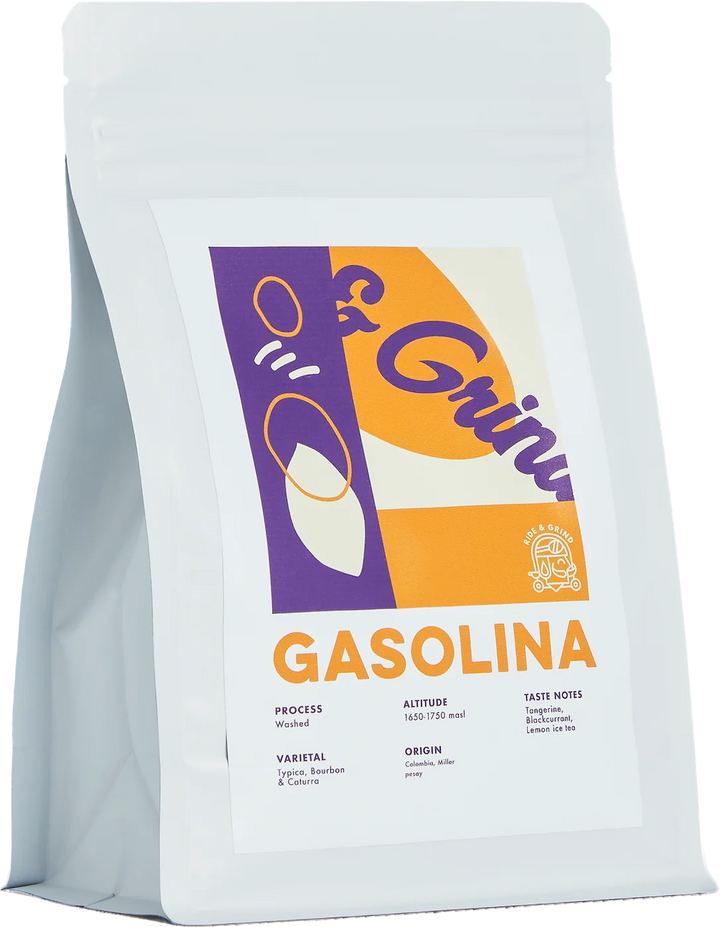
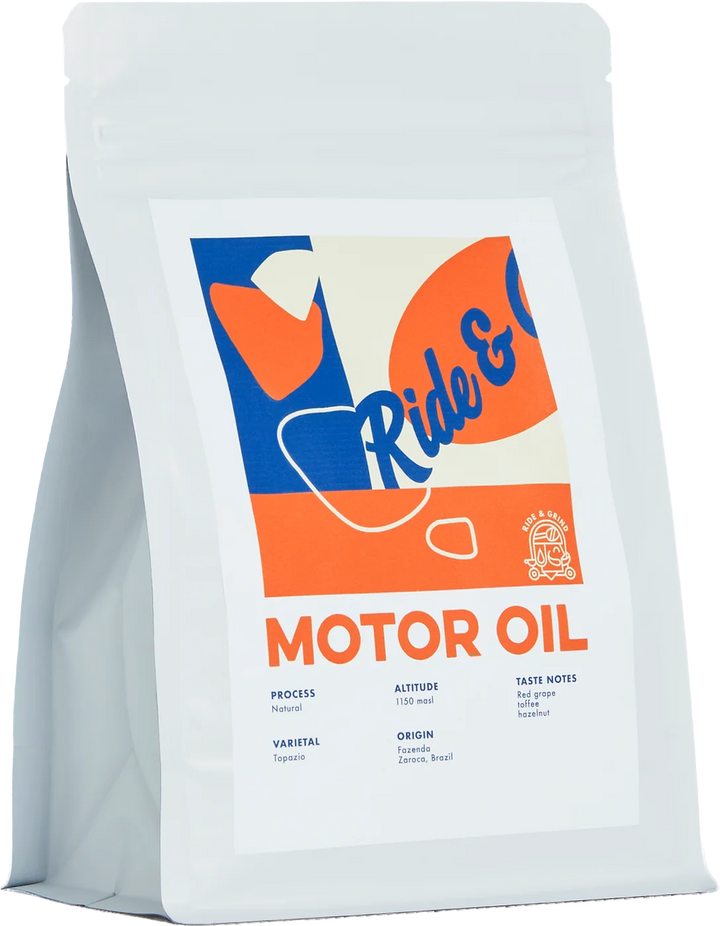
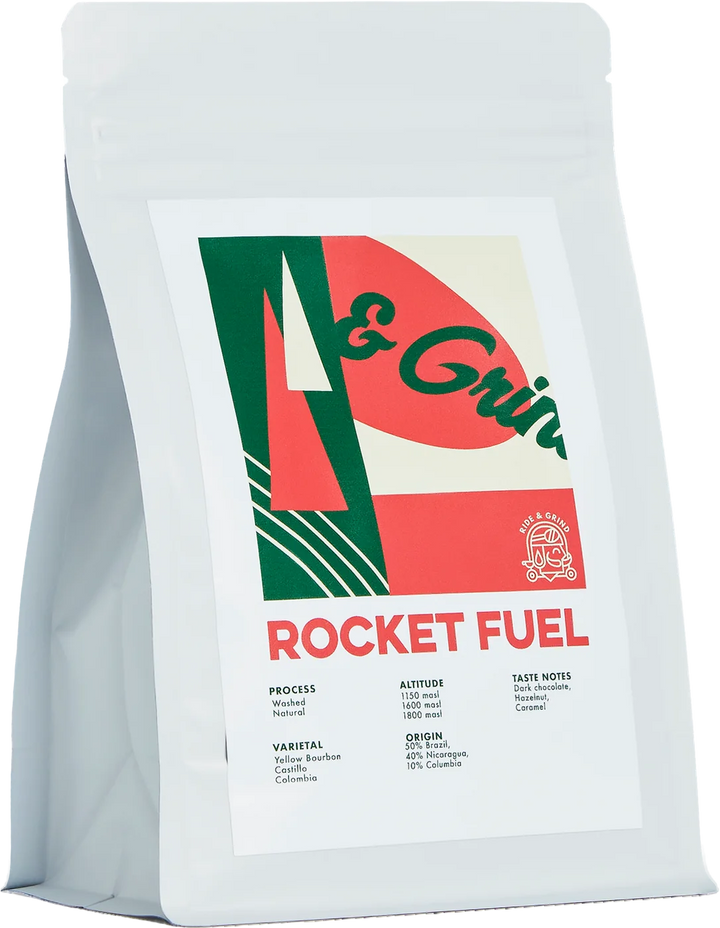
Whether you like the bright acidity of our single origins or the balance of our blends, the right grinder helps you taste everything we roasted into them.
Making your decision
The right grinder depends on how you brew, your budget and what you like. Start with how you brew, and work back to the grinder that suits it. A good grinder is worth it: it improves every cup you make.
With the right grinder and freshly roasted beans, you’re well on your way to great coffee at home.